Your team

The team behind this melasma comparison

The Plastic Surgery & Aesthetics Medical Center at Chongqing West District Hospital is led by four consultants working inside a tertiary general hospital. Yongbo Jia, MD, is responsible for the medical review of this site. Deciding whether to treat pigment at all genuinely involves the other three: the light-based view of what a low-energy device can reasonably be asked to do, the pigmented lesions that need to be removed and examined rather than treated, and the conditions that look like pigment and are something else.

Specialist profiles

Who reviews this content

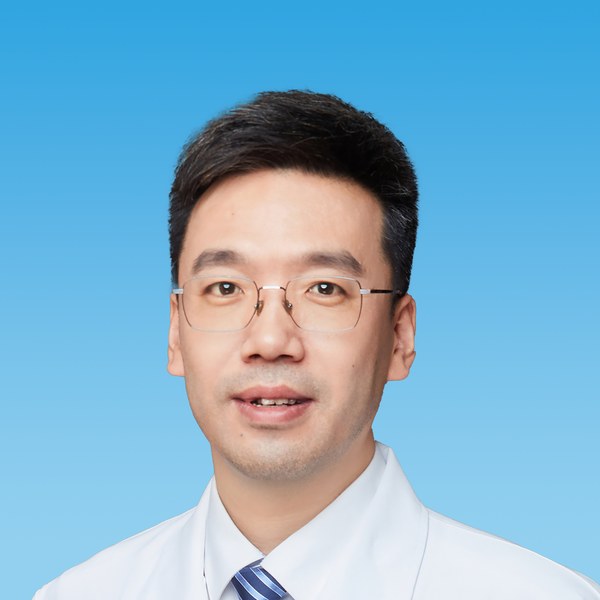
Yongbo Jia

Yongbo Jia (贾勇波)

Deputy Director & Head of Dermatology · Vice Chief Physician, Licensed Aesthetic Attending · Lead Physician of This Site

Pigmentary disorders · barrier repair · the risk of making pigment worse

Dr. Yongbo Jia is a dermatologist within the Plastic Surgery & Aesthetics Medical Center at Chongqing West District Hospital. Within the team his role is medical skin assessment — diagnosing and managing pigment and barrier conditions, and treating skin that a device or an injection has irritated.

Melasma is the condition Dr. Jia is most cautious about, and this site is written the way he assesses it: first establish that the pigment is melasma and not something else, then establish how reactive this skin is, and only then consider whether a procedure is justified. His position is that sun protection and topical treatment carry more of the result than any procedure does, and that a course which darkens the skin has set the patient back further than the original problem.

Clinical focus

  • Diagnosis of pigmentary disorders, including what is melasma and what is not
  • Assessment of skin reactivity before any energy-based pigment treatment
  • Barrier repair and topical management as the foundation of melasma care
  • Recognition and management of rebound darkening after laser or peel treatment
  • Deciding when pigment treatment should stop rather than continue

Rebound comes before clearing

The first question with melasma is not how much pigment can be removed but how this skin responds to injury. Melasma reacts to inflammation by darkening, and both a laser and a peel are controlled injuries. A course that provokes the pigment is worse than no treatment, because the darkening is harder to settle than the original problem.

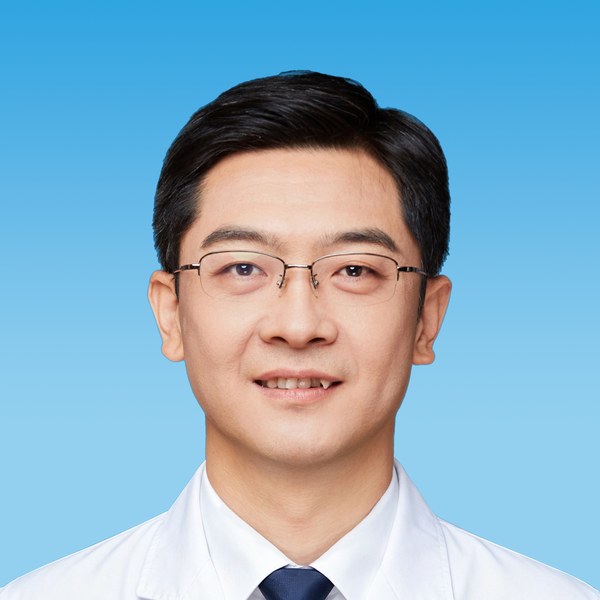
Ke He

Ke He (何锞)

Deputy Director & Head of Skin & Laser Aesthetics · Attending Physician, Licensed Aesthetic Attending

Skin and laser aesthetics · light-based treatment planning

Dr. Ke He is Deputy Director and head of skin and laser aesthetics within the Plastic Surgery & Aesthetics Medical Center at Chongqing West District Hospital. Within the team her role is the device and injectable assessment, and the honest referral when a problem needs an operation rather than a needle.

Pigment that has been made darker by a previous laser course is a particular problem, and it is assessed before anything further is applied to it. Dr. He's part in this comparison is the light-based side: what a low-energy device can reasonably be asked to do to pigment, and what it should not be pointed at.

Clinical focus

  • Assessment of pigment before light-based treatment
  • Planning low-energy laser treatment and recognising when it should stop
  • Care of skin whose colour has changed after a previous light treatment
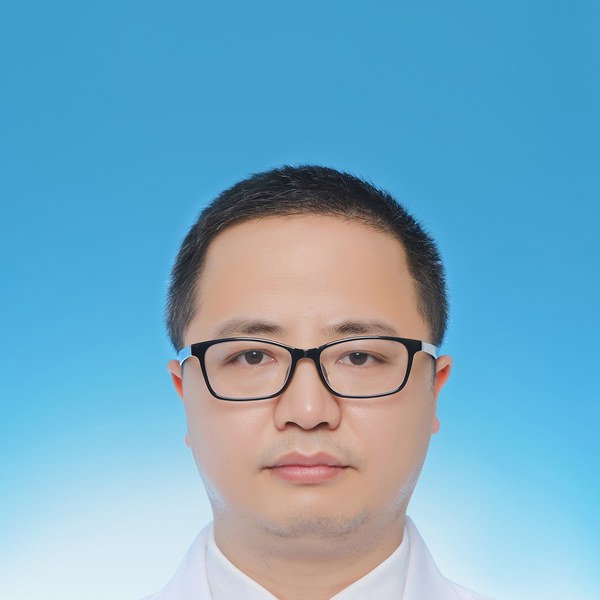
Shaoliang Wang

Shaoliang Wang (王韶亮)

Director, Plastic Surgery & Aesthetics Medical Center · Vice Chief Physician, Associate Professor, Doctor of Medicine

Plastic surgery · pigmented lesions that need a sample

Dr. Shaoliang Wang is Director of the Plastic Surgery & Aesthetics Medical Center at Chongqing West District Hospital. Within the team he provides the surgical perspective and the tertiary-hospital backstop — the assessment when an operation is the honest answer, and the hospital-level care for the rare complication that needs it.

Not every dark patch is melasma, and a lesion that is new, changing or irregular is a diagnostic question. Dr. Wang is part of that pathway: where a lesion has to come out and be looked at, it is a surgical decision rather than a cosmetic one.

Clinical focus

  • Pigmented lesions that require excision rather than treatment
  • Lesions that require a sample to be taken and examined
  • Tertiary-hospital support for a diagnostic pathway
Tongchun Mao

Tongchun Mao (毛彤春)

Deputy Director & Head of Aesthetic Surgery · Vice Chief Physician, Licensed Aesthetic Attending

Aesthetic surgery · conditions that only look cosmetic

Dr. Tongchun Mao is an aesthetic surgeon within the Plastic Surgery & Aesthetics Medical Center at Chongqing West District Hospital. Within the team his role is refinement and honest referral: he is the person who says so when an operation will do better than an injectable or a device.

Some of what brings a patient to a pigment assessment is not pigment: a condition of the skin, a change in texture, or a concern about the face that has nothing to do with colour. Dr. Mao's part is recognising when the question is a different one.

Clinical focus

  • Facial assessment when the concern is not pigment
  • Conditions of the skin and face that resemble pigmentary problems
  • Shared planning when a treatment plan spans several specialties

Melasma needs an assessment before it needs a treatment

An assessment establishes whether the pigment is melasma, how active it is, and how your skin has responded to treatment or injury before. We will say plainly whether a laser or a peel is justified at all, and what we would advise if the answer is protection and topical care instead.

Contact the Team